Modernise with an expert guiding you at every stage, from feasibility through to final sign-off.
Lift modernisation is a significant, long-term investment. LPM independently manages the whole of it: scoping the works, taking them to market, and monitoring the programme, commercial position, quality and documentation on your behalf through to handover. Required engineering certification and statutory sign-off remain with the contractor and the authorised parties; we make sure those obligations are specified, tracked and evidenced before the project is closed out.
A major spend, run by someone who only answers to you.
A modernisation is a once-in-a-generation project. We manage the whole of it as your independent adviser, from the first assessment to the final certificate.
Modernise or replace? Make informed decisions before committing funds.
Before any funds are committed, we assess the lift's condition, remaining lifespan and compliance. We then present your options with budget estimates and a clear recommendation, ensuring the committee makes decisions based on comprehensive information rather than a contractor's sales pitch.
A single specification ensures every contractor prices the same scope of work.
We develop a tender-ready, vendor-neutral scope of works and take it to market. With every contractor quoting against the same scope, you receive accurate, comparable bids rather than inconsistent proposals.
Project oversight through to handover.
Throughout the project, we attend site and monitor progress, quality, documentation and the contractual requirements on your behalf. Engineering certification and statutory testing remain the responsibility of the contractor and the authorised parties carrying out those functions; our job is making sure those obligations are specified, tracked and evidenced before the project is closed out. You have a single point of contact throughout.
A fixed fee, never a percentage of the project cost.
Most consultants charge a percentage of the project cost, increasing their fee as your project grows. We do not. We agree on a fixed fee per lift, so there is no incentive to expand the scope unnecessarily, and we hold complete independence from lift companies. Your project and budget are our sole priorities.
Signs a lift is due for a modernisation conversation.
None of these means a lift must be replaced. Together, they mean it is time to look at the options before the next breakdown forces the decision.
Faults that keep coming back
The same lift, the same fault, repair after repair. When the repair history starts to read like a pattern, the question changes from what to fix to what to replace.
Parts that are hard to source
Some contracts change or end cover once a part is out of production, which can hollow out the word comprehensive on an older lift. See what comprehensive does not cover.
Long or frequent outages
A lift that is out of service often enough to change how residents and tenants use the building has a cost that never appears on a repair invoice.
Repairs eating the budget
When repair charges and call-outs grow faster than the maintenance fee, it is worth comparing the cost of carrying on with the cost of upgrading.
Findings in an audit or inspection report
Condition and compliance findings are easier to plan for than to react to. An independent lift audit turns them into a costed 5, 10 and 15 year capital plan.
A sinking fund that has not caught up
If the lift's remaining life is not reflected in the forecast, the levy catches up with owners later. See the sinking fund and the lift.
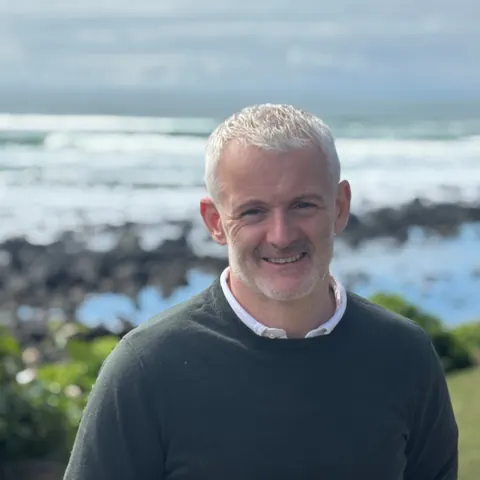
Modernisation advice from someone who has been on the contractor's side.
Gareth Evans spent 18 years in the lift industry across service and new equipment, including as Queensland Service Branch Manager at Otis. He understands how modernisation proposals are built and where scope tends to drift, and he now works for the building owner. Every project starts with a conversation with him.
Projects are managed across Australia and New Zealand, with on-site support across Australia, including the Gold Coast and Brisbane.
Lift modernisation questions.
When should a building modernise a lift rather than keep repairing it?
When repairs are becoming frequent, parts are hard to source, outages are affecting how the building is used, or the cost of carrying on is approaching the cost of upgrading. The decision is easier to make with an independent condition assessment and a costed capital plan than with a series of separate repair quotes.
What is the difference between a partial and a full modernisation?
A partial modernisation replaces selected major components, such as the controller, drive or doors, and keeps the rest, often including the machine. A full modernisation replaces most of the equipment while keeping the structure of the shaft. Which makes sense depends on the lift's age, condition, duty and the building's plans, and an independent feasibility review compares the options on the same basis.
Does LPM design or install lift modernisations?
No. LPM scopes the project, writes a specification every contractor prices the same way, runs the tender, and oversees the programme, commercial position, quality and documentation through to handover. Engineering certification and statutory sign-off remain with the contractor and the authorised parties, and LPM makes sure those obligations are specified, tracked and evidenced before close-out.
How long is a lift out of service during a modernisation?
A lift is typically out of service for weeks rather than days. In buildings with more than one lift the work is usually staged so that at least one stays in service, and the programme is agreed in the specification before the contract is awarded.
Do we need an independent audit before modernising?
It is the best starting point. An independent audit records the condition of the equipment, estimates its remaining life and gives a modernise or replace recommendation with photographic evidence, so the modernisation scope is based on the lift rather than on the first quote that arrives.
How is the fee set for modernisation consulting?
As a fixed fee per lift, agreed upfront. It is not tied to the size of the project, so the advice is only ever about what your building needs.
Modernise once, and get it right.
A major lift upgrade deserves an expert who only answers to you. Get in touch and we'll scope it with you.