Gareth Evans, Founder, LPM Lift Consultants · October 2026 · 4 minute read
Earlier this year we were asked to audit a customer's site. They wanted something simple: a clear picture of every lift they own, what condition it is in, and what it is likely to cost them over the next few years.
They weren't dealing with a crisis. The lifts were running and well maintained. They just knew that 17 lifts across four sites is a lot of equipment to keep track of, and they wanted to know where they stood before any big decisions came along, rather than after.
Seventeen lifts, four sites
In August we were on site and went through every lift in person.
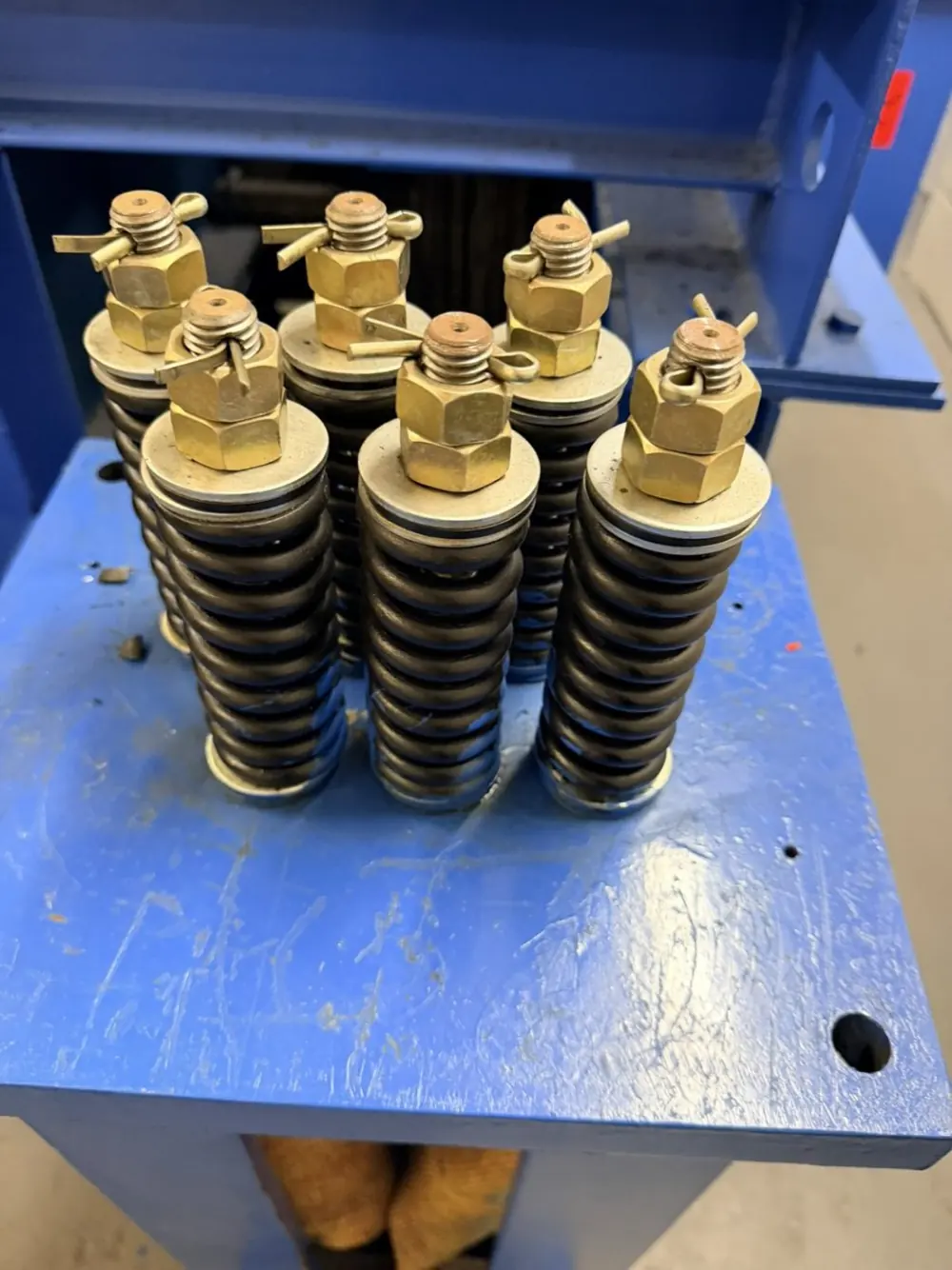
The equipment covered almost every lift type you will find in an Australian building. There were geared traction lifts, gearless traction lifts, machine-room-less lifts and hydraulic lifts, installed anywhere between 1987 and 2012. Some had been modernised recently, others were still running largely on their original equipment.
That mix is very normal. Most organisations with more than one building end up with lifts of different ages, makes and designs, and each one ages in its own way.
What we looked at
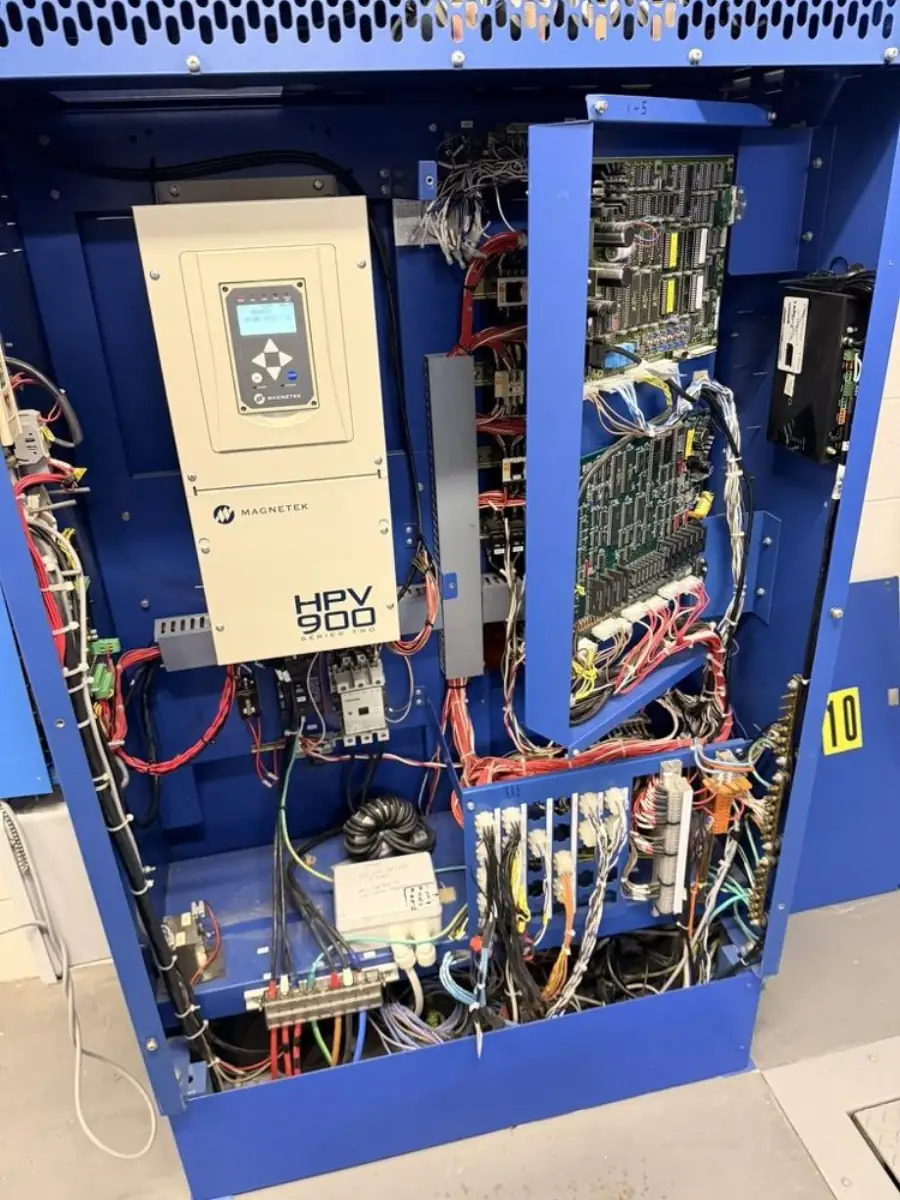
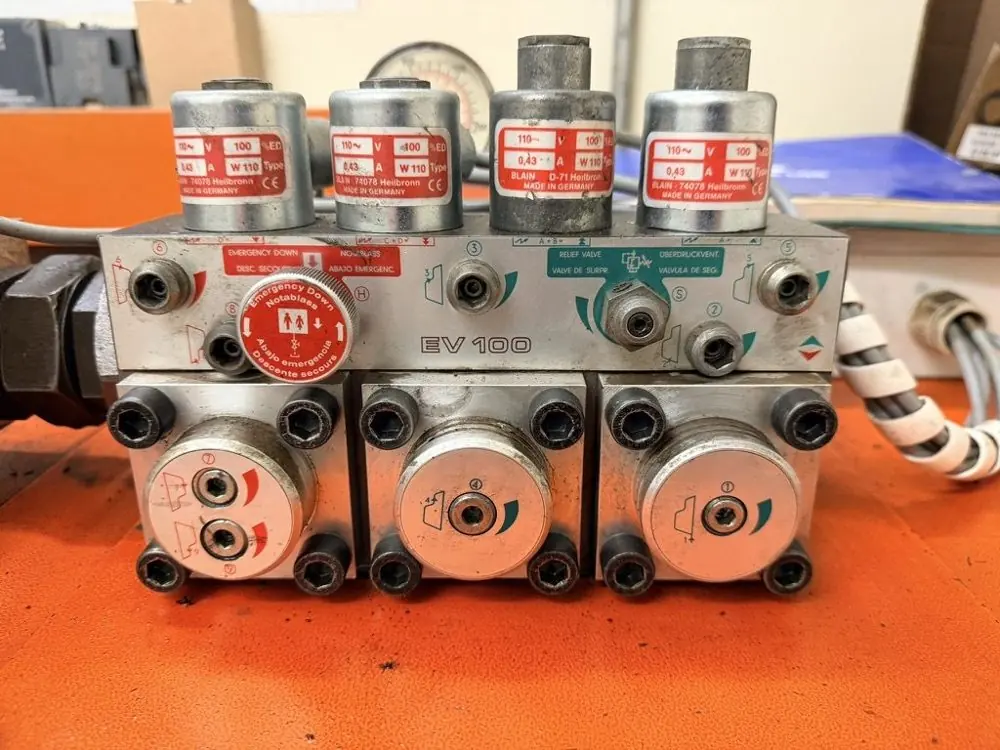
For each lift we rated the condition of every major component: the machine and brake, ropes, governor and safety gear, controller and drive, doors and door operators, fixtures, and, for the hydraulic lifts, the pump, valve and ram. That came to more than 350 individual ratings across the 17 lifts.
Each component was rated good, fair, poor or end of life, along with an estimate of how many years of service it has left. Anything that needed attention was written up separately with a clear description of the fix, so it could be passed straight to the maintenance contractor.
What we found
Most of the equipment was in good or fair condition, which is exactly what you'd expect from lifts that are well maintained.
We wrote up 13 items needing attention across the four sites. Most were wear parts, such as couplings, a governor bearing and ropes due for replacement, along with some clean-downs. Each one came with a clear fix.
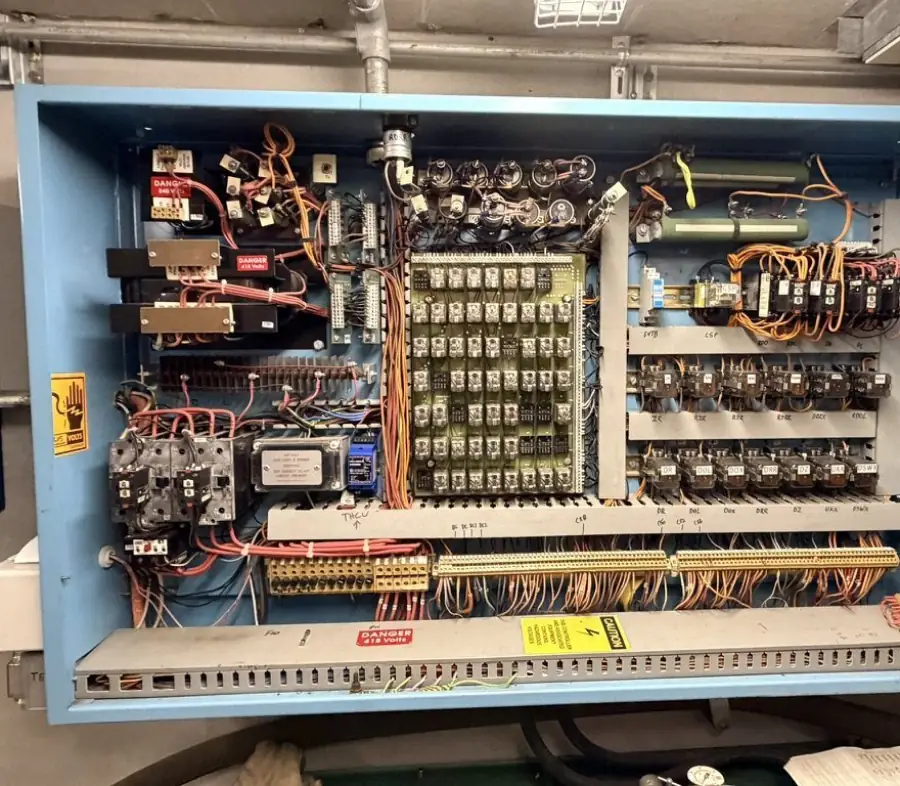
The more important finding was about the future. 27 components were at the end of their working life. In several cases that wasn't because they had stopped working, it was because the manufacturer no longer supports them. A drive or controller can run perfectly well for years after support ends, but once it fails, parts can be hard to find, and a simple repair can turn into a much bigger job with the lift out of service for longer.
That is information a building needs to have early, and it is very hard to see from a service report.
The capital plan
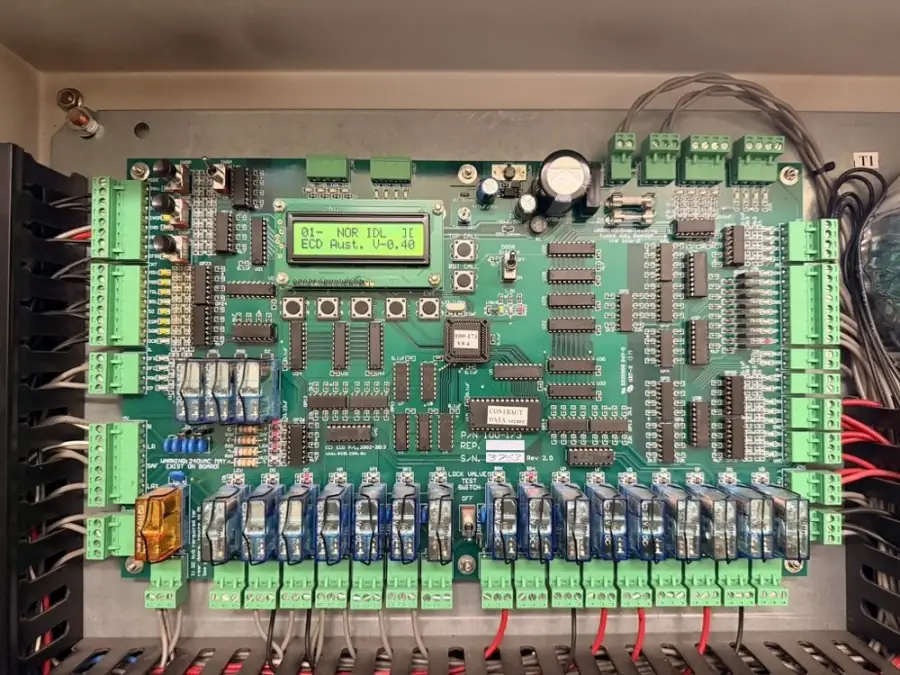
The main thing the customer received was a capital plan for the portfolio, lift by lift. It shows what is likely to need replacing over the next five years, roughly when, and roughly what it will cost, broken down by year and by building.
Most of the work sits in the near term, which is exactly why it helps to have it written down. With the plan in hand, the customer can choose when works happen and budget for them, rather than having an equipment failure decide the timing. It also gives them time to get proper pricing, compare options and plan works around the busiest periods, instead of making a fast decision with a lift out of service.
Keeping it current
An audit is a snapshot, so the last step was making sure the picture stays up to date.
All 17 lifts now sit in the LPM platform. The service reports from each maintenance visit come straight in and are logged against the right lift, so anyone on the team can see what was done, when, and what is coming up next. The capital plan sits alongside it and moves as work gets done.
Keeping the contract on track as it goes
A condition audit tells you where the lifts stand today. The contract is the other half of the picture: what is being delivered, what it costs and when it is due to change. In most buildings that information is spread across emails, invoices and a folder somewhere, and it only gets pulled together once a year, if at all.
In the platform it all sits in one place and stays up to date as it happens. Every service visit is logged against the lift and set against the schedule in the contract, so the monthly view shows at a glance which lifts have been serviced. Call-outs are logged with their response times, so trends and any recurring faults show up early, and the conversation with the contractor starts from the facts. Every invoice is checked against the contract line by line, so a query becomes a quick chat before payment instead of a dispute afterwards. Renewal dates, insurance and licence expiries all carry a reminder well ahead of time, and the capital plan sits alongside it.
It does the keeping track, so nobody has to. Service reports emailed by the contractor are filed against the right lift as they arrive, and the right person gets an email when something is worth a look. The result is one clear record that the building and the contractor can both point to, which makes every conversation between them easier. A person is available whenever you want one.
What I took from it
What stood out most was the customer's approach. They didn't wait for something to go wrong before asking questions. They wanted to understand their lifts well enough to plan ahead, and they put the findings to work straight away.
You don't need 17 lifts for this to be worthwhile. Whether you look after one lift or a whole portfolio, knowing the condition of each one and what is coming over the next few years makes every conversation about money, contracts and upgrades a lot easier.
We only ever work for buildings. Put your contract and last three invoices through the free Lift Savings Report to see what the platform finds, or get access and have every visit, invoice and renewal date in one place from day one. Pricing is per active contract, per month.
If this raised questions about your own building, these are the services behind it: invoice audit, maintenance tender management, independent lift audit and modernisation consulting. LPM Lift Consultants works in person across Australia, including the Gold Coast and Brisbane, and with portfolios in New Zealand through the platform.